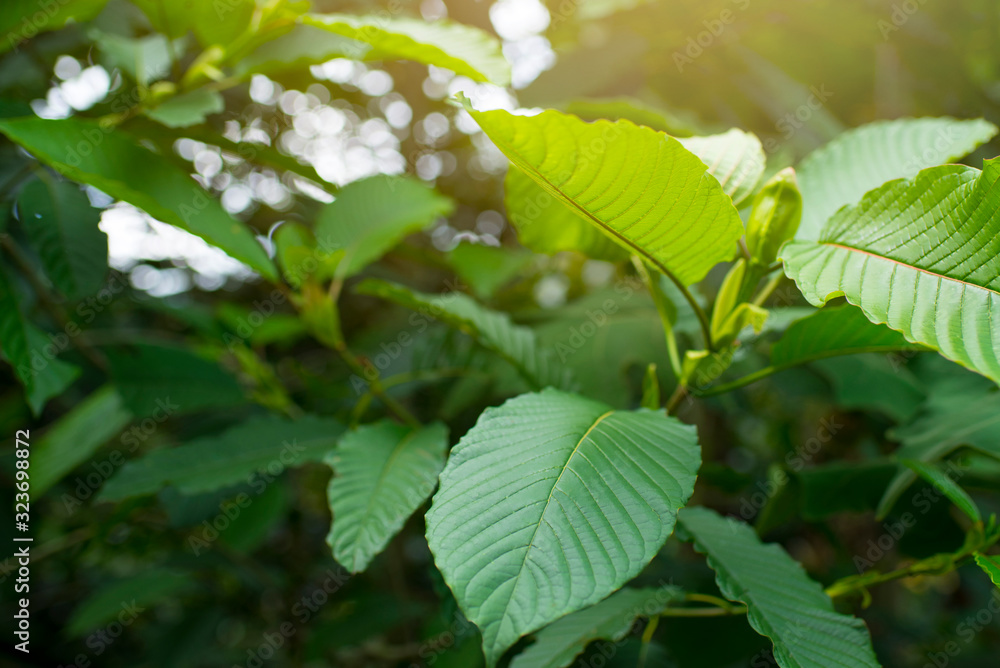
Kratom, scientifically known as more info Mitragyna speciosa, is a tropical evergreen tree native to Southeast Asia. Harvested from the lush rainforests of Borneo and Sumatra, this herb has become a staple in the natural health community.
Historically, field workers chewed the fresh leaves to maintain energy during long days under the sun, but today it is mostly consumed as a dried powder or tea. Its chemical profile is rich in alkaloids, specifically mitragynine, which is responsible for the majority of its effects.
The Three Main Types of Kratom Explained
If you are new to the world of speciosa, you might be overwhelmed by the choices between red, green, and white strains. Each color represents a different maturity level and drying process, leading to a unique alkaloid profile.
1. Red Vein Kratom
Red vein leaves are the most mature and are widely known for their calming properties. They are often used in the evening to promote restful sleep and alleviate physical discomfort.
White Vein for Focus and Energy
For those who need a morning pick-me-up or extra focus during work, white vein is the ideal candidate. Many users substitute their morning caffeine with a white strain to start the day with clarity and drive.
Green Vein: The Best of Both Worlds
Green strains are often considered the most versatile, providing mild energy followed by a sense of calm. They are excellent for social anxiety, mood boosting, and general daily wellness.
Finding Your "Sweet Spot": Kratom Dosage Tips
The "Golden Rule" of Kratom is simple: Less is more. Beginners should always start low, perhaps with just half a teaspoon, to see how their body reacts.
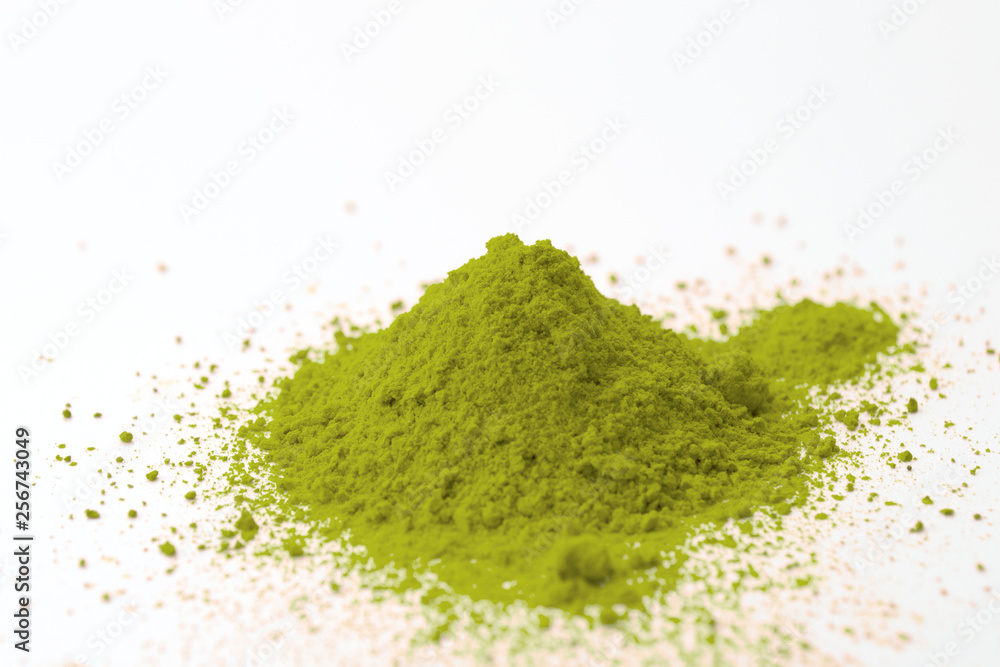
Hydration is another critical factor that is often overlooked. Safety starts with the source; never buy gas station kratom that hasn't been tested for heavy metals or contaminants.
In conclusion, Mitragyna speciosa is a powerful natural tool that requires respect and knowledge. Stay informed, stay hydrated, and always listen to your body.